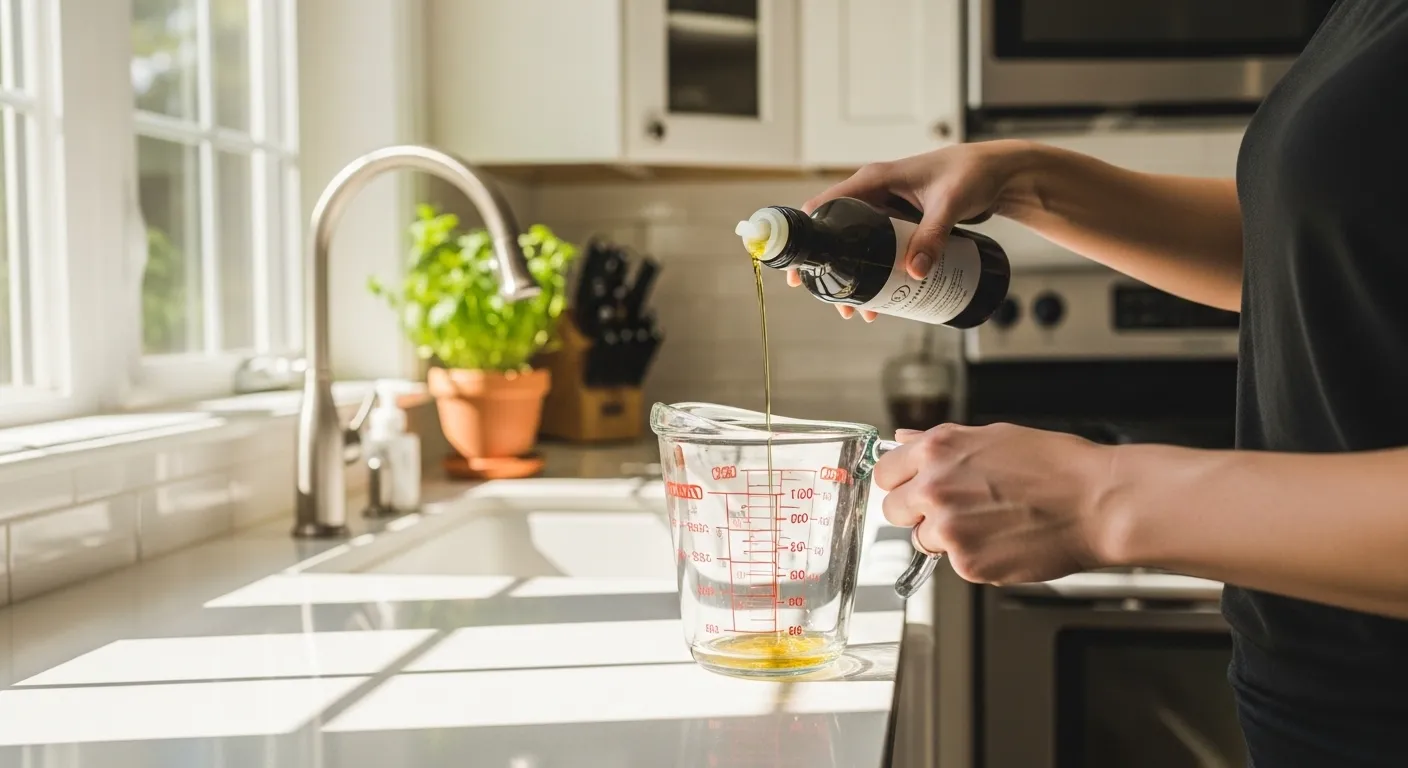
Have you ever stood in your kitchen holding a bottle wondering exactly how many ounces you need for that perfect recipe? Conversion Hub brings you the definitive answer that how many ounces is 750 ml equals precisely 25.36 US fluid ounces. This comprehensive guide transforms you from confused cook to confident converter. You will discover exact formulas, practical bartending tips, and real world applications that make measurement conversions effortless every single time.


AllBetaInfo
Get realtime updates and indepth insights? Follow our WhatsApp channel to receive instant notifications and stay informed.
FollowThe Direct Answer 750ml Equals 25.36 Fluid Ounces
The precise conversion shows that 750ml contains exactly 25.36 US fluid ounces for accurate measurements. This measurement applies to everything from wine bottles and liquor bottles to cooking oils and household products. Most people round this to 25 ounces for everyday use which works perfectly fine for casual cooking. However professional bartenders and serious bakers prefer the exact 25.36 figure for accurate measurements. The standard bottle size exists because manufacturers chose 750ml as universal format for beverage bottles worldwide.
Understanding the Conversion Formula
The conversion formula transforms any milliliter measurement into fluid ounces using simple division mathematics accurately. You divide the milliliter amount by 29.5735 which represents the conversion factor between metric and imperial systems. For our 750ml example the calculation becomes 750 divided by 29.5735 equals 25.36 fluid ounces exactly. This same formula works for converting any liquid volume measurement you encounter in recipes or product labels. Understanding the math behind conversions gives you power to handle any bottle size confidently.
US vs UK Fluid Ounces The Critical Difference
Understanding the distinction between US fluid ounces and Imperial fluid ounces prevents serious measurement mistakes in international recipes. The US fluid ounce equals 29.5735 milliliters while the UK Imperial fluid ounce measures 28.4131 milliliters instead. This creates a roughly four percent difference that matters when precision counts for baking and cocktail measurements. Your 750ml bottle contains 25.36 US fluid ounces but equals 26.4 UK Imperial fluid ounces using British measurements. Most American recipes assume US customary units unless specifically stated otherwise.
Why 750ml is Called a Fifth
The historical context behind bottle sizing reveals fascinating connections between old measurement systems and modern standards today. Traditional American bottles held one fifth of a gallon which equals exactly 25.6 fluid ounces in US measurements. When the beverage industry transitioned toward the metric system for international trade manufacturers chose 750ml as closest equivalent. This created the standard bottle format we recognize today for wine whiskey vodka gin and spirit bottles everywhere. The nickname fifth persists even though modern bottles technically contain slightly less liquid than the original gallon fraction.
Practical Applications in Everyday Life
Real world scenarios demonstrate why mastering this conversion improves your daily cooking and entertaining experiences significantly. Wine bottles always contain 750ml which helps you calculate exactly how many glasses you can pour for dinner parties. Liquor bottles use this same standard size making bar inventory and cocktail recipe scaling incredibly straightforward for home bartenders. Cooking oils vinegar bottles and salad dressings frequently come in 750ml containers that require ounce conversions for American recipes. Household products like shampoo dish soap and cleaning solutions also commonly use this bottle size for packaging consistency.
How Many Shots in 750ml Bartending Guide
Professional bartenders rely on precise measurements when calculating how many standard shots fit into a bottle for inventory. Each standard pour measures 1.5 fluid ounces which represents the typical shot size used in most American bars. Dividing 25.36 total ounces by 1.5 ounces per shot gives you approximately 16 to 17 shots per bottle. This calculation helps bartenders manage liquor inventory cost drinks accurately and predict when they need to restock supplies. Mixology measurements become easier when you understand these bartending fundamentals for creating consistent cocktails every time.
How Many Wine Glasses in 750ml Entertaining Guide
Planning your next dinner party becomes simpler when you know exactly how many wine servings come from each bottle. The standard wine pour measures five fluid ounces which creates a proper serving size for most wine glasses. A 750ml wine bottle yields approximately five standard glasses using this traditional serving portion guideline established by experts. Some hosts pour smaller four ounce servings to stretch bottles further or offer generous six ounce pours for gatherings. Wine serving size affects how many bottles you purchase for events making this conversion knowledge essential for planning.
Converting Other Common Bottle Sizes
Beyond 750ml you will encounter various bottle formats that require similar conversion knowledge for accurate measurement planning. The 375ml half bottle contains 12.68 fluid ounces perfect for single servings or trying new wines without committing. Standard 1000ml or one liter bottles hold 33.81 fluid ounces commonly used for spirits water and everyday beverages. Large format 1750ml bottles equal 59.17 fluid ounces popular for value purchasing and party supplies at warehouse stores. Smaller 50ml miniature bottles contain 1.69 fluid ounces ideal for travel sampling or gift sets throughout the year.
Fluid Ounces vs Weight Ounces Common Misconception
Many home cooks confuse fluid ounces with weight ounces creating frustrating measurement errors that ruin otherwise perfect recipes. Fluid ounces measure liquid volume while weight ounces measure mass representing two completely different measurement concepts entirely. One fluid ounce of water weighs approximately one weight ounce but this coincidental relationship does not apply to other liquids. Honey oil or milk have different densities so their fluid ounce and weight ounce measurements never match exactly. Always use liquid measuring cups for fluid volume and kitchen scales for weight measurements to achieve accurate results.
Quick Conversion Tips and Tricks
Practical shortcuts make everyday conversions faster without sacrificing accuracy for most home cooking and entertaining situations successfully. Rounding 750ml to 25 ounces works perfectly fine for recipes with some flexibility like soups sauces or casual cocktails. Keep the precise 25.36 figure for baking recipes professional bartending or any situation where exact measurements determine success. Memorizing that 30ml equals roughly one fluid ounce creates a mental shortcut for quick estimations without pulling out calculators. Visual comparisons help too since 750ml equals approximately three cups plus two tablespoons in US cooking measurements for reference.
International Bottle Standards and Variations
Different countries use varying bottle sizes creating interesting challenges for international travelers and global shoppers everywhere. European wine bottles sometimes come in 700ml formats rather than the standard 750ml American size bottles. Australian bartenders use 30ml shot sizes instead of the 1.5 ounce American standard pour for cocktails. Understanding these international variations helps when following recipes from different countries or shopping abroad for beverages. Many modern measuring cups include both metric and imperial markings eliminating conversion math entirely for everyday kitchen tasks. These global differences reflect cultural preferences and historical measurement system developments across regions.
The Science Behind Volume Measurements
Understanding volume measurement principles helps you grasp why conversions work the way they do scientifically. The metric system uses base ten making calculations simpler with milliliters liters and kiloliters increasing by thousands. Imperial measurements evolved from historical references like human body parts creating irregular conversion factors between units. Modern science prefers metric for precision but American cooking traditions maintain imperial measurements for recipes. This dual system reality requires conversion knowledge for anyone cooking from international sources or traveling abroad. Learning both systems creates versatility allowing you to work confidently with any recipe regardless of origin or format.
Master Your Kitchen Measurements With Confidence
Understanding that how many ounces is 750 ml equals 25.36 fluid ounces transforms your cooking and entertaining experiences completely. This essential conversion knowledge applies whether you are pouring wine glasses mixing cocktails or following international recipes. Conversion Hub encourages you to bookmark this guide for quick reference whenever measurement questions arise in your kitchen. Remember that precision matters most for baking while casual cooking allows reasonable rounding without sacrificing delicious results every time.
If you want to learn about good sales person vs great sales person, I have written a comprehensive guide covering key differences. Discover why top performers outperform by ten to one, mindset shifts needed, daily habits of winners, pipeline tactics, rejection strategies, transformation roadmaps, self assessment tools, and fifteen answers to common sales excellence questions.
Frequently Asked Questions About 750ml to Ounces Conversion
Is 750ml exactly 25 ounces or 25.36 ounces?
The precise conversion shows 750ml equals 25.36 US fluid ounces exactly. Rounding to 25 works fine for casual cooking without strict precision requirements.
What is the difference between US and UK fluid ounces for 750ml?
US fluid ounces measure 29.5735ml while UK Imperial ounces equal 28.4131ml. Therefore 750ml equals 25.36 US ounces but contains 26.4 Imperial ounces instead.
How do you convert 750ml to ounces step by step?
Divide 750 by the conversion factor 29.5735 to get your answer. This calculation equals 25.36 fluid ounces using standard mathematical conversion principles.
Why is a 750ml bottle called a fifth?
Historically liquor bottles held one fifth of a gallon equaling 25.6 ounces. Manufacturers chose 750ml as the closest metric equivalent when transitioning international standards.
Is a fluid ounce the same as a regular ounce?
Fluid ounces measure liquid volume while weight ounces measure mass. These represent completely different concepts despite sharing the same name confusingly.
How many shots are in a 750ml bottle?
A standard 1.5 fluid ounce shot means approximately 16 to 17 shots fit in 750ml. Professional bartenders use this for inventory management worldwide.
How many glasses of wine are in 750ml?
Standard five ounce wine pours yield approximately five glasses per 750ml bottle. Pour sizes vary based on glass type and personal serving preferences.
How many cups is 750ml?
Converting 750ml to cups gives you approximately 3.17 cups or three cups plus two tablespoons. This helps American cooks adapt international metric recipes.
Is 750ml the same as three quarters of a liter?
Yes 750ml equals exactly three quarters or 0.75 of one liter. This relationship makes mental math easier when comparing bottle sizes or scaling recipes.
What common products come in 750ml bottles?
Wine liquor cooking oils vinegar dish soap shampoo and cleaning products frequently use 750ml bottles. This standardized container size appears across beverage food and household categories.